Generic Design Is Not a Neutral Choice. It Has a Revenue Cost.
The hospitality market has an oversupply problem, not of beds, but of undifferentiated ones. In almost every UK market where boutique hotels and aparthotels have grown, the same pattern is visible: an increasing number of properties with similar aesthetics, comparable amenity sets, and indistinguishable guest propositions competing in the same booking windows.
The outcome is predictable: rate compression, OTA dependency, and an occupancy profile that requires constant promotional activity to sustain.
The Direct Booking Problem
The most direct commercial impact of generic design is visible in the split between direct and OTA bookings. A guest who stays in a property they experienced as broadly interchangeable with four alternatives they considered has no strong motivation to return directly.
The platform knows this, which is why it invests heavily in loyalty programmes and price-match guarantees. It retains the guest relationship. The property retains the revenue, minus the commission.
A guest who had an experience they could not have had elsewhere books direct the next time.
Often without searching. That guest is worth materially more to the property than the identical transaction through an OTA, and they represent a compounding asset rather than a single-use booking.
The difference in guest behaviour between these two outcomes is not primarily a function of service quality or location. It is a function of whether the property had a distinct identity that created genuine preference.
What Generic Design Looks Like in Practice
Generic hospitality design is not always aesthetically poor. In many cases it is accomplished.
The issue is not the quality of execution. It is the absence of a point of view.
The typical indicators: a lobby that functions efficiently but creates no particular feeling on arrival. Bedrooms with competent layouts and neutral palettes that communicate quality without communicating character. A communal area that could belong to any of twenty properties in the same city. A brand identity that describes the location rather than the experience.
Guests staying in properties like this leave with a positive impression of the room and no strong impression of the place.
That distinction is commercially significant. Positive impressions of rooms generate good reviews. Strong impressions of place generate loyalty, advocacy, and the direct bookings that drive yield. HotStats' benchmarking of independent UK hotels consistently shows that properties operating with strong brand differentiation outperform comparables on total revenue per available room, a gap that reflects not just ADR but ancillary spend, which is directly tied to how engaged a guest is with the property as a place, not just a bed.
The Competitive Landscape Is Tightening
The boutique and lifestyle segment of the UK market has grown significantly, and that growth is not slowing.
JLL's Hotels & Hospitality research points to continued pipeline growth in UK regional cities and coastal leisure markets, with the majority of new boutique and aparthotel supply positioned in the mid-market lifestyle category, precisely the segment where undifferentiated product is most exposed to rate compression. Capital that has historically flowed into residential development is moving toward hospitality as yield calculations shift. That means more competition, not less.
The properties that will sustain strong ADR and occupancy through the next cycle are those that are genuinely distinctive. The investment required to create a distinctive property is not substantially greater than the investment required to create a generic one. What it requires is that the thinking happens at the right stage, shaped not by what looks good, but by what creates an experience that guests will not find anywhere else.
The Point of No Return
Differentiation is not retrospective. The spatial and physical decisions that create a distinct guest experience are made during design development: in the layout, in the treatment of arrival and circulation, in the decisions about where to invest and where to manage cost.
Once those decisions are made and built, the range of what is possible narrows considerably. Repositioning after opening is achievable; it requires investment, operational disruption, and time. It is significantly more expensive than clarity at the outset.
The properties that will command the strongest rates in this market over the next decade are those whose developers asked, early, not just what will this look like, but what will this mean to the guest who chooses it. In a market where generic supply is growing faster than genuinely differentiated supply, that question, answered with commercial rigour, is the sharpest pricing strategy available.
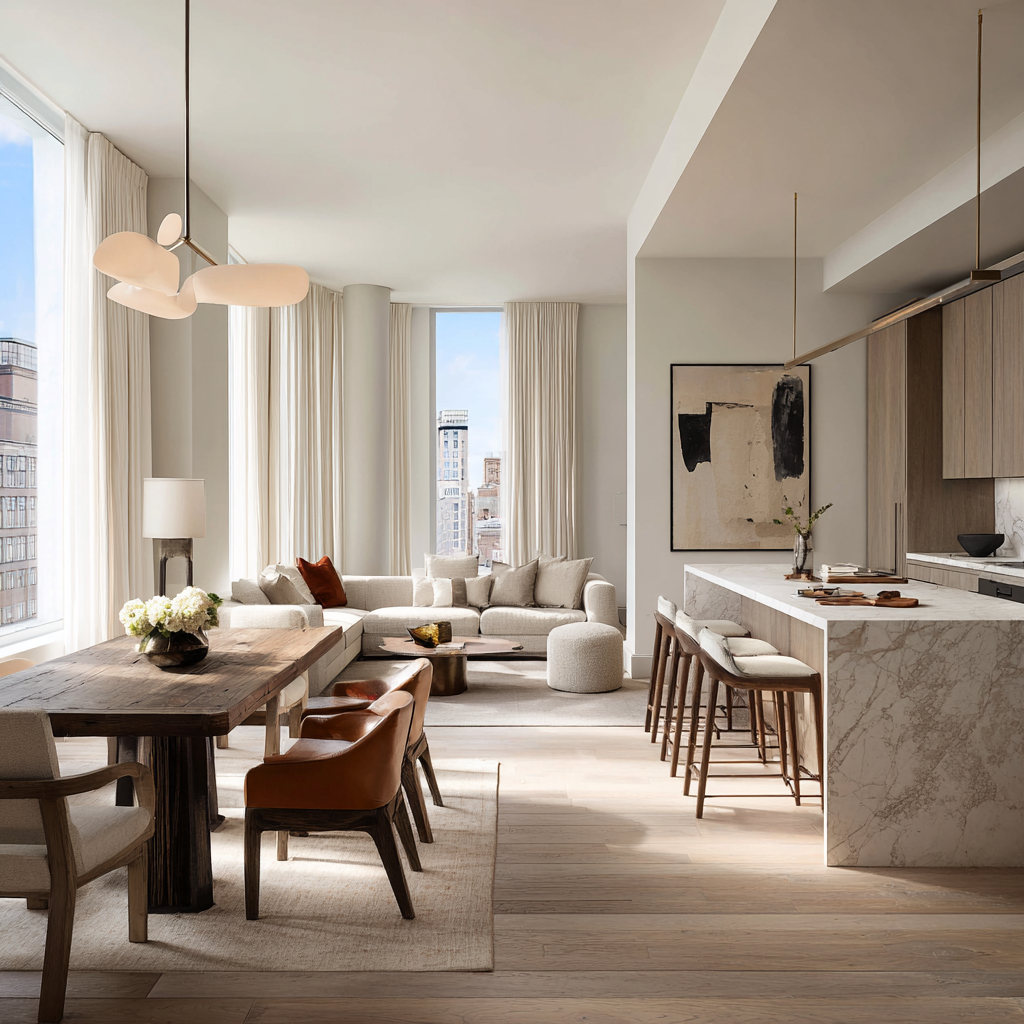
Raquel Aparicio is the founder of Mar Design, where she advises residential developers and boutique hospitality operators on market-aligned design strategy to improve GDV, ADR, pricing confidence, and long-term asset performance.